
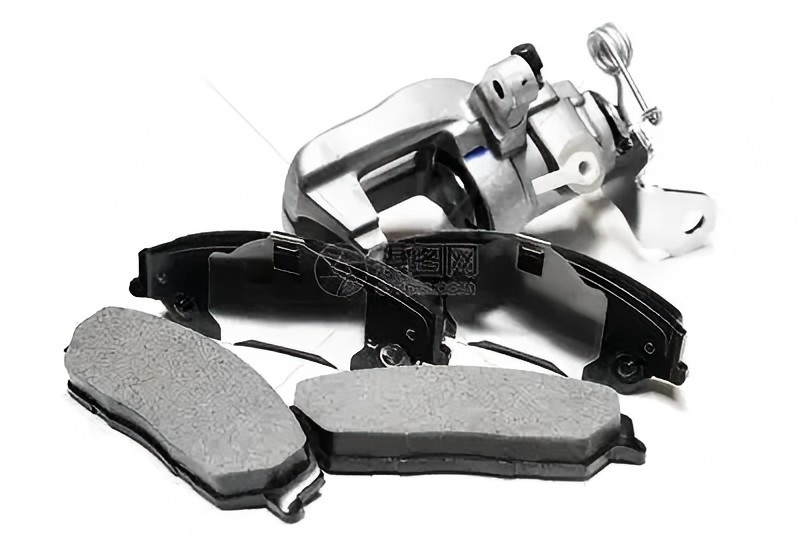
As the adoption of electric vehicles continues to grow, concerns are growing about how this shift in the automotive industry will affect the demand for brake pads and rotors. In this article, we will explore the potential impact of electric vehicles on braking components and how the industry is adapting to these changes.
Regenerative braking and wear of brake pads and discs.
Electric vehicles rely on regenerative braking to slow and stop. Regenerative braking is the process of capturing the vehicle’s kinetic energy and converting it into electrical energy, which can be used to charge the car’s battery. Unlike traditional friction braking, regenerative braking uses the electric vehicle’s motor/generator to slow the vehicle down, thereby reducing wear on the brake pads and brake discs.
This means that electric vehicles (EVs) may experience less wear on their brake pads and discs compared to gasoline-powered vehicles. This could extend the lifespan of EV braking components and potentially reduce maintenance costs for owners. Furthermore, because regenerative braking reduces the need for traditional friction braking, EVs may generate less brake dust, which could be a significant source of pollution.
However, it’s worth noting that regenerative braking is not a perfect solution. In certain situations, traditional friction brakes are still necessary, such as during high-speed driving or emergency braking. The increased weight of electric vehicles due to the battery can also put greater stress on the brakes and require more frequent maintenance.
Adapting to industry changes
The shift to electric vehicles has prompted the braking component industry to adapt and develop new products and technologies. One area of focus for braking component manufacturers is the development of hybrid braking systems that combine regenerative braking with conventional friction braking. Hybrid braking systems are designed to provide consistent and reliable braking performance while capturing energy through regenerative braking.
Brake component manufacturers are also exploring new materials and designs for brake pads and discs. For example, carbon ceramic brake discs are becoming increasingly popular in high-performance electric vehicles. Carbon ceramic rotors are lighter, dissipate heat better, and have a longer lifespan than traditional iron or steel rotors. Other advanced materials, such as titanium and graphene, are also being researched for use in brake components.
Furthermore, the braking component industry is focusing on developing intelligent braking systems that can be integrated with autonomous driving technologies. As autonomous driving technology continues to evolve, there will be a need for braking systems capable of detecting and responding to potential hazards on the road. Emergency Brake Assist (EBA) systems and brake-by-wire systems are examples of intelligent braking technologies being developed to provide a safer driving experience.
Environmental issues and brake dust
Brake dust is a significant source of pollution, negatively impacting the environment and human health. It is generated when brake pads and discs wear down, releasing tiny particles of metal and other materials into the air. With the growing demand for electric vehicles, the braking component industry faces increasing pressure to develop low-dust brake pads and discs.
One way to reduce brake dust is to use organic brake pads instead of metal ones. Organic pads, made from materials such as Kevlar and aramid fibers, produce less dust than traditional metal pads. Ceramic brake pads are also an option because they produce less dust than metal brake pads and offer good performance under various driving conditions.
in conclusion
In summary, the rise of electric vehicles is impacting the demand for brake pads and discs. Regenerative braking, a key feature of electric vehicles, reduces wear on braking components, potentially extending their lifespan and lowering maintenance costs. However, conventional friction braking is still necessary in certain situations.
Facebook
Twitter
LinkedIn
Pinterest
Skype
Telegram
WhatsApp