
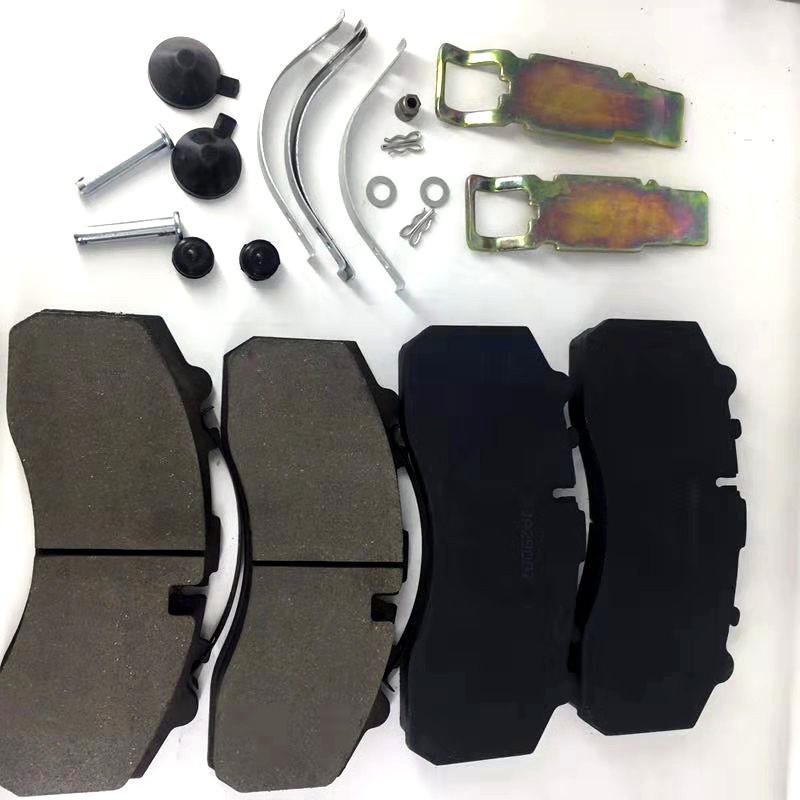
Introduction: China has become a major player in the global automotive industry and has rapidly become one of the world’s largest exporters of auto parts. The country’s superior manufacturing capabilities, competitive costs, and robust industrial infrastructure have facilitated its expansion in international markets. In this blog, we will explore the complex process of exporting auto parts from China to different parts of the world, examining key aspects such as manufacturing, quality control, logistics, and market trends.
1. Auto Parts Manufacturing: China’s manufacturing strength in the automotive sector stems from its abundant resources, advanced technology, and skilled workforce. Numerous specialized factories across the country produce a wide variety of auto parts, including engines, transmissions, brakes, suspension systems, and electrical components. These factories adhere to stringent quality standards, ensuring that products meet the requirements set by global automakers.
2. Quality Control Measures: To maintain high quality standards, the Chinese government implements strict quality control measures for auto parts exports. Manufacturers comply with international quality certification standards such as ISO 9001 to guarantee the reliability, performance, and safety of their products. Continuous improvement initiatives, comprehensive testing procedures, and strict adherence to technical specifications contribute to the improved reliability of Chinese auto parts.
3. Streamlining Export Processes: Chinese auto parts manufacturers work closely with export agents, freight forwarders, and customs brokers to streamline export processes. Export agents play a crucial role in connecting manufacturers with international buyers, facilitating negotiations, and processing documents. Freight forwarders manage logistics, arrange packaging, transportation, and customs clearance. Effective coordination among these stakeholders ensures the smooth flow of goods from Chinese factories to global markets.
4. Expanding Global Distribution Networks: To build a strong global presence, Chinese auto parts manufacturers actively participate in international trade shows and exhibitions. These platforms provide opportunities to showcase their products, meet potential buyers, and negotiate partnerships. Establishing a robust distribution network is essential for reaching customers in different regions; Chinese manufacturers often partner with local distributors or establish subsidiaries abroad to better serve their clients.
5. Market Trends and Challenges: While China remains a major exporter of auto parts, the industry faces certain challenges. A key challenge is intense competition from other manufacturing giants such as Germany, Japan, and South Korea. Furthermore, the growing demand for electric vehicles and the integration of advanced technologies such as autonomous driving present new challenges for Chinese manufacturers to adapt and innovate their products.
Conclusion: The exemplary growth of China’s auto parts exports can be attributed to its robust manufacturing infrastructure, stringent quality control measures, and strategic global distribution approach. By leveraging its competitive advantages, China continues to supply the global automotive industry with high-quality and cost-effective auto parts. As the industry landscape evolves, Chinese manufacturers must remain agile and embrace technological advancements to stay at the forefront of the auto parts export market.
Facebook
Twitter
LinkedIn
Pinterest
Skype
Telegram
WhatsApp