
Brake pads: What you need to know
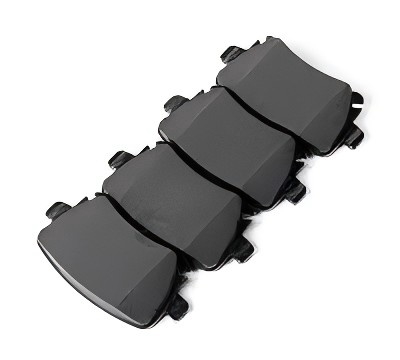
How do I know when to replace brake pads and rotors?
Squeaking, screeching, and metal-to-metal grinding noises are typical signs that you should replace your brake pads and/or rotors. Other signs include longer braking distances and more pedal travel before you feel significant braking force. If the brake parts have been replaced for more than two years, it is best to check the brakes every oil change or every six months. Brakes wear down gradually, making it difficult to judge by feel or sound when new brake pads or rotors are needed.
How often should I replace it?
Brake lifespan mainly depends on how often and what type you drive, such as city vs. highway, as well as your driving style. Some drivers simply use the brakes more than others. Therefore, it is difficult to recommend time or mileage guides. For any car older than 2 years, it’s best to have a mechanic check the brakes at every oil change or twice a year. Repair shops can measure brake pad thickness, inspect the rotor, caliper, and other hardware, and estimate the remaining life of the brakes.
Why do I need to replace my pads and rotor?
Brake pads and discs are “worn” items that need to be replaced regularly. If they are not replaced, they will eventually wear down to the metal backplate that mounts them. If the pad wears down to the backplate, the rotor may deform, wear unevenly, or be damaged beyond repair. The lifespan of brake pads and rotors depends on the mileage you drive and how often you use the brakes. The only guarantee is that they won’t last forever.
Facebook
Twitter
LinkedIn
Pinterest
Skype
Telegram
WhatsApp