
Brake pad backing plates are fundamental to braking safety.
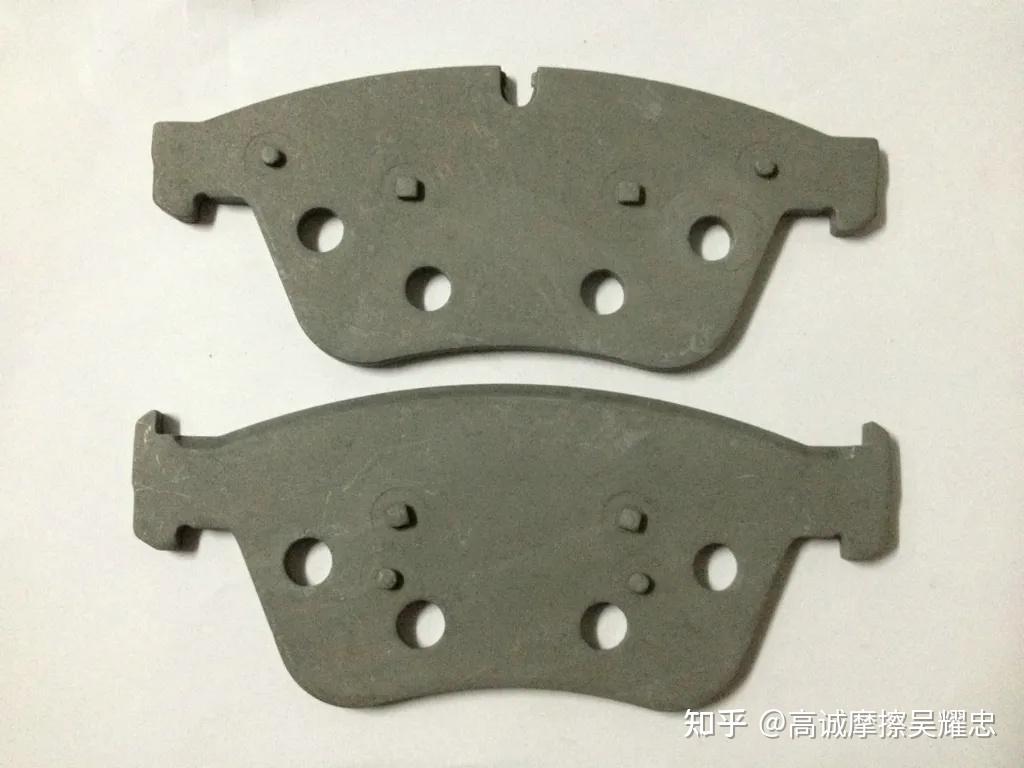
In automotive braking systems, the friction material of brake pads is often considered the core component, but the material of the backing plate that supports its operation is actually the invisible foundation that determines braking safety, performance, and lifespan. This seemingly simple “metal base” carries a crucial mission far beyond mere support; its material selection directly affects the reliability of every braking action, making it an indispensable safety core.
The primary value of the backplate material lies in providing structural support for the braking system. Friction materials themselves are fragile and cannot withstand the immense pressure and impact of braking; therefore, a high-quality backplate must provide a solid and stable mounting base. Whether it’s frequent intermittent braking on city roads or continuous braking downhill in mountainous areas, the backplate must withstand thousands of pounds of clamping force without deforming, bending, or breaking. Low-carbon steel, with its good strength and toughness, has become the mainstream choice, while stainless steel demonstrates its advantages in harsh, humid, and salty environments. Its superior corrosion resistance prevents the backplate from rusting and perforating, ensuring that the friction material does not detach and fail—many brake failure cases on TikTok stem from the breakage or detachment of inferior steel backplates from the friction material, ultimately leading to serious consequences such as brake disc damage and brake failure.
Efficient pressure transmission and heat dissipation are another core requirement for backplate materials. During braking, the hydraulic pressure of the caliper needs to be evenly transmitted to the surface of the friction material through the backplate, ensuring full contact between the friction material and the brake disc, and avoiding uneven wear or brake vibration caused by excessive local pressure. The high temperatures generated during braking are a “hidden killer” of the braking system. High-quality backplate materials need to have good thermal conductivity to quickly dissipate frictional heat, preventing brake pads from experiencing thermal fade due to overheating, and ensuring stable performance during long-distance, high-intensity braking. For example, steel backplates have excellent thermal conductivity, effectively avoiding the risk of thermal fade during continuous braking in mountainous areas; aluminum alloy backplates, on the other hand, combine lightweight design with heat dissipation, making them a preferred choice for fuel-efficient vehicles.
Corrosion resistance and process compatibility determine the long-term reliability and operating cost of the brake backplate. During vehicle operation, the backplate is constantly exposed to corrosive environments such as rainwater, road salt, and mud. Ordinary painted backplates are prone to rusting due to coating peeling, leading to detachment of the friction material from the backplate – a major cause of premature brake pad failure. Galvanized steel or stainless steel, by forming a sacrificial protective layer, can fundamentally resist corrosion, significantly extending brake pad life. High-end materials such as carbon fiber, with their exceptional strength-to-weight ratio, meet the dual demands of high-performance vehicles for lightweighting and durability; although more expensive, their stability under extreme conditions is irreplaceable. Simultaneously, the process compatibility of the material is equally crucial. High-quality materials must possess excellent stamping and welding properties to ensure precise backplate dimensions and a perfect fit with the brake caliper, preventing uneven installation gaps that could affect braking performance.
From smooth braking during daily commutes to averting disaster in emergencies, the quality of the brake pad backing material plays a crucial role every time the brake pedal is pressed. It is not only the “supporting skeleton” of the friction material, but also the “conductive link” for pressure transmission, the “heat dissipation channel” for heat dissipation, and the “safety barrier” for corrosion protection. Choosing the right backing material is to build a solid first line of defense for the braking system, ensuring reliable braking every time. This is the core value of the backing material as the invisible cornerstone of braking safety.